Iditarod Historic Trail Alliance · Preserving Alaska's 2,400-Mile National Historic Trail Network
Iditarod Historic Trail Alliance · National Historic Trail

More than a trail.
A living legacy.

Distinct from the modern sled dog race, the 2,400-mile Iditarod National Historic Trail network connects ancient Alaska Native travel corridors, gold-rush history, wild public lands, and 18 living communities from Seward to Nome.

Designated by Congress in 1978 · Seward to Nome, Alaska938 Primary Miles · 1,500+ Connecting Miles
01 — THE TRAIL

An extraordinary place, a shared responsibility

The path that helped shape Alaska.

For millennia, Indigenous routes across this vast country connected Dena'ina, Deg Hit'an, Koyukon Athabascan, Yup'ik, and Inupiaq peoples. From 1908 to 1911, the Alaska Road Commission blazed the winter mail and supply lifeline to the Iditarod goldfields. Today, the Iditarod Historic Trail Alliance works with communities, volunteers, and land agencies to steward this national treasure.

Read the full historic overview

A trail for all seasons

Answer the call of the trail.

Conditions, access, and seasonal uses vary dramatically from Kenai Fjords and Chugach mountain passes to frozen Interior rivers and the Bering Sea coast. Always verify local conditions before heading out.

Snow season / Historic overland routes

Travel the winter way.

Most of the historic Trail north of Knik was built specifically for winter dog-sled travel over frozen rivers and tundra where temperatures can drop below -40°F. Learn about public shelter cabins, winter safety, and expedition preparation.

Winter planning & shelter cabins
Green season / Southern Trek & day hikes

Find a different kind of adventure.

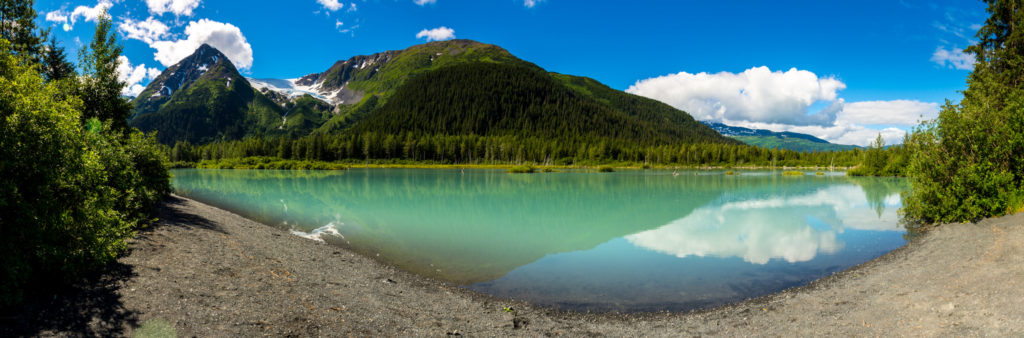
Hike accessible summer segments along the Southern Trek—including Mile 1 in Seward, Moose Pass, Girdwood, Crow Pass in Chugach National Forest, Chugach State Park, and Eagle River.

Summer trail segments & guides
Start with the essentials.

Official visitor guides, interactive story maps, and the National Park Service Passport Stamp Program.

The stories run deep

Every mile holds a memory.

The story of the Iditarod begins long before the famous sled dog race. Its routes reflect Alaska Native travel and trade, gold-rush ambition, the 1925 Diphtheria Serum Run to Nome, and the enduring spirit of Alaska's rural communities.

Time Immemorial

Original Indigenous pathways

Dena'ina, Deg Hit'an, Koyukon Athabascan, Yup'ik, and Inupiaq routes linked villages, portages, and trade networks across Alaska.

1908–1912

The gold-rush mail & supply trail

Following the Christmas Day 1908 gold strike on Otter Creek, Walter L. Goodwin and the Alaska Road Commission blazed the Seward-to-Iditarod route.

1925 & 1973

The Serum Run & Trail revival

Twenty mushers relayed life-saving antitoxin 674 miles from Nenana to Nome in 1925; in 1973, Joe Redington Sr. and Dorothy Page launched the modern race to help save the historic trail and sled dog culture.

1978–Today

National Historic Trail stewardship

Designated by Congress under the National Trails System Act, the 2,400-mile network is cared for by communities, BLM, USFS, State Parks, and the Alliance.

18 Communities Along the Corridor

A story told by many communities.

The Iditarod National Historic Trail passes through living cultural landscapes—from coastal Resurrection Bay and Turnagain Arm to Athabascan river villages and Inupiaq settlements along Norton Sound and the Seward Peninsula.

Explore the histories, landmarks, and local heritage of all 18 Trail communities preserved in our digital archive.

Explore All 18 Trail Communities
Southern Trek · Mile 0

Seward

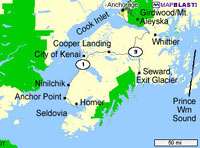
Seward is located on Resurrection Bay, named in 1792, by Alexander Baranof, the Alaska manager of the Russian American Company, while he was exploring the Kenai Peninsula for possible sites for ne settlements. It is said that he named the b…

Southern Trek · Turnagain Arm

Girdwood

The Town was originally named Glacier City and acted as a gold mining and railroad supply camp in the early 1900s. Later it was renamed "Girdwood" in honor of James Girdwood, a Irish entrepreneur who came in 1896 and bought 4 mining claims …

Alaska Range Crossing

Rainy Pass

Susitna-Rainy Pass Trail From the townsite of Susitna on the Susitna River, this 128-mile-long route heads northwest, following the west side of the Yentna River on the north side of Beluga Mountain, then crossing the Skwentna River to foll…

Interior · Gold Rush Terminus

Iditarod & Flat

Founded after the Christmas Day 1908 gold discovery by John Beaton and William Dikeman on Otter Creek, the town of Iditarod (and nearby Flat) briefly boomed into one of Alaska's largest interior communities and inspired the Alaska Road Comm…

Yukon River · Kaltag Portage

Kaltag

Kaltag is located in Koyukon Athabascan territory, and was used as a cemetery for surrounding villages. It was located on an old portage trail which led east through the mountains to Unalakleet. The Athabascans had spring, summer, fall, and…

Northern Terminus · Mile 938

Nome

Malemiut, Kauweramiut and Unalikmiut Eskimos have occupied the Seward Peninsula historically, with a well-developed culture adapted to the environment. Around 1870 to 1880, the caribou declined on the Peninsula and the Eskimos changed their…

Keep the legacy moving

The trail's future is in our hands.

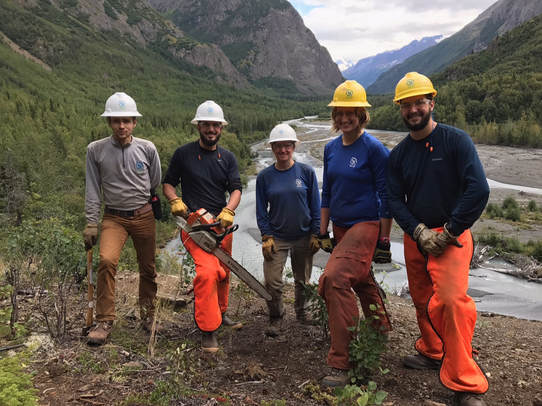
Trail stewardship takes many forms—from clearing brush and maintaining public shelter cabins to training Alaska teachers through iTREC! and advocating for historic trail preservation.

Get Involved with IHTA

From the Alliance Archive

News, dispatches & 150+ documents.

All 150 legacy PDFs—including The Tripod newsletters (2013–2026), Annual Reports, Visitor Guides, and Junior Trailblazer booklets—are migrated and searchable.

Trail Dispatch · September 21, 2023

Remembering Lee Poleske

Dear Friends, We are saddened with the passing of a dear friend, Lee Poleske. A longtime member of the Board of Directors, Lee produced the monthly newsletter Tripod for the Iditarod Historic Trail Alliance. This month, …

Browse All 150 PDF Documents View All 26 News & Blog Posts

A lasting impact

Help carry the trail forward.

Membership dues and tax-deductible 501(c)(3) contributions support education, historic research, shelter cabins, and the volunteers caring for the Iditarod National Historic Trail.

01 / JOIN IHTA

Become a member.

Members receive The Tripod newsletter, voting privileges, and an invitation to the Annual Meeting.

Explore Membership
02 / GIVE DIRECTLY

Make a donation.

Contribute securely online via Square or by mail to support on-the-ground trail projects across Alaska.

Donate Securely